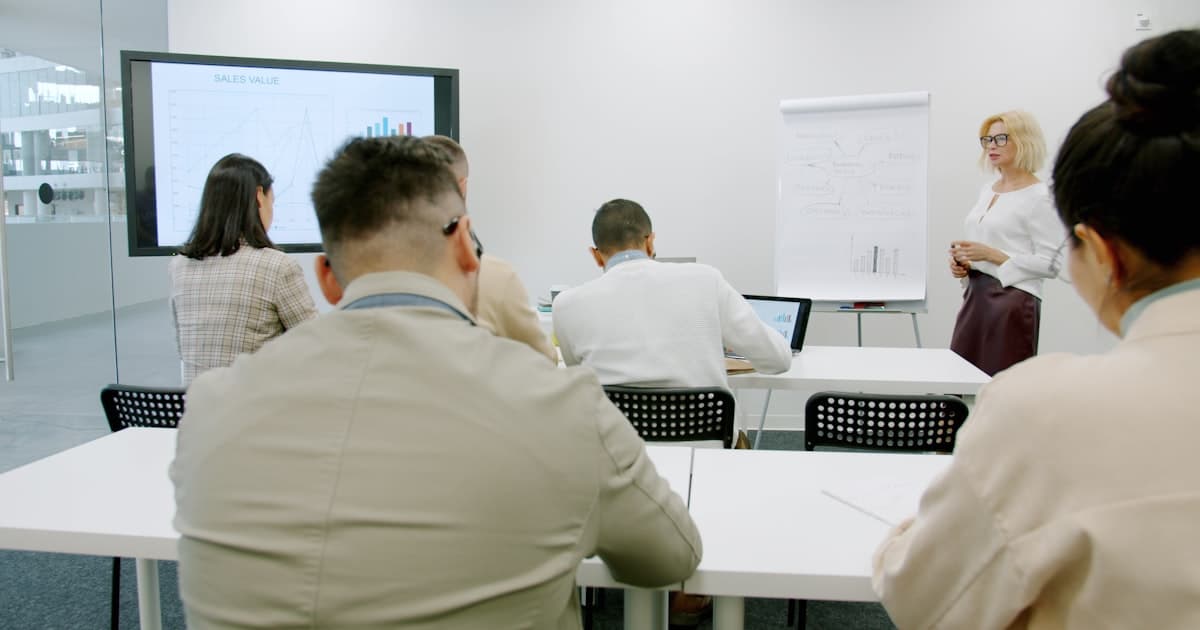
Waarom AI-projecten in het MKB stranden
Ze storten niet in. Ze worden stil. Vijf plekken waar een AI-project in het MKB strandt, en waarom meer techniek geen van die vijf oplost.

AI-projecten mislukken zelden luidruchtig. Er is geen storing, geen crash, geen moment waarop iemand vaststelt dat het niet werkt. Ze worden stil. De demo was goed, iedereen was enthousiast, en een half jaar later gebruikt niemand het meer en weet niemand precies wanneer dat is opgehouden.
Een veelbesproken onderzoek van MIT's Project NANDA uit 2025 kwam tot de conclusie dat ongeveer 95 procent van de onderzochte generatieve AI-pilots geen meetbaar effect op de winst- en verliesrekening had. Dat cijfer is niet peer-reviewed en berust deels op zelfrapportage, dus hang er geen beleid aan op. De richting is wel herkenbaar, en de vraag die telt is niet hoe hoog het percentage precies is, maar waar het misgaat.
In een bedrijf van vijftig tot driehonderdvijftig mensen gaat het op vijf plekken mis. Geen van de vijf is een technisch probleem, en dat is geen retorische opening. Wij zijn zelden een traject tegengekomen dat strandde omdat het model niet goed genoeg was. We zijn er veel tegengekomen die strandden omdat er na de oplevering niemand meer verantwoordelijk was, of omdat het systeem omviel op precies de gevallen waar de mensen het voor nodig hadden.
Dat onderscheid is belangrijk, want het bepaalt waar je je aandacht en je budget op zet. Wie denkt dat het een techniekprobleem is, koopt betere techniek. Wie weet dat het een organisatieprobleem is, regelt vooraf vier dingen die niets kosten.
Wat stranden eigenlijk betekent
Het woord mislukken past niet goed. Bijna alle projecten die wij tegenkomen hebben iets opgeleverd dat werkte. Het probleem zit erna.
Stranden betekent: het werkt, en het wordt geen manier van werken. Er is een systeem dat het goed doet en een organisatie die eromheen doorgaat zoals ze altijd deed. Dat is duurder dan een project dat halverwege wordt gestopt, want je hebt de rekening betaald en de verandering niet gekregen.
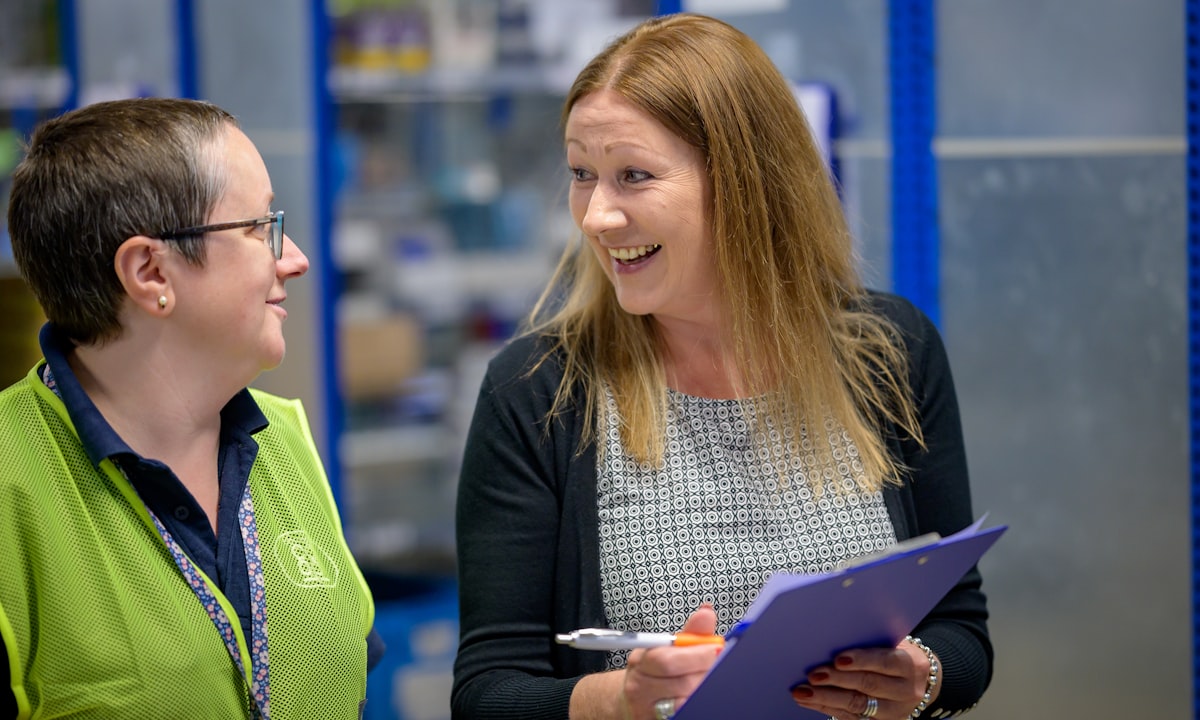 Een collega die iets uitlegt aan een ander. Of de kennis overkomt wordt tijdens de bouw bepaald, niet erna.
De vijf plekken
| Waar | Wat je ziet | Wat het werkelijk is |
|---|---|---|
| Eigenaarschap | Het is van niemand na oplevering | Er is nooit een naam gekoppeld aan het onderhoud |
| Het proces | Het werkt niet bij de uitzonderingen | Het proces op papier is niet het proces in de praktijk |
| De kennis | Bij een aanpassing moet de leverancier terug | De capability is nooit overgedragen |
| De meting | Niemand kan zeggen of het iets opleverde | Er is vooraf geen getal afgesproken |
| De sponsor | Het verwatert na een reorganisatie | Het hing aan één persoon |
Eén: het project dat nooit een eigenaar kreeg
Bij oplevering is er een projectleider, een leverancier en een enthousiaste groep gebruikers. Drie maanden later is de projectleider aan iets anders begonnen, want zo werkt een projectleider.
De vraag die niemand stelde: wie is hier vanaf volgende maand van? Niet wie het gebruikt, maar wie het onderhoudt, wie beslist als er een uitzondering bijkomt, en wie het merkt als de kwaliteit wegzakt.
Een systeem zonder eigenaar zakt niet ineens weg. Het verslechtert langzaam, want de wereld verandert en het systeem niet. Na een half jaar klopt het net vaak genoeg niet meer om mensen te laten terugvallen op de oude manier, en dat gaat geleidelijk zodat niemand het als besluit ervaart.
Twee: het proces dat niemand had opgeschreven
Elk proces in een bedrijf met historie heeft uitzonderingen. Die ene klant die altijd anders wordt gefactureerd. Die leverancier waarbij je de levertijd standaard met drie dagen ophoogt. De regel in het handboek die al drie jaar niet meer klopt.
Die kennis staat nergens. Ze zit in de hoofden van mensen die er twaalf jaar werken, en die vinden het zo vanzelfsprekend dat ze het niet noemen als je ernaar vraagt. Bouw je op de beschrijving en niet op de praktijk, dan werkt het systeem perfect voor de zeventig procent standaardgevallen en valt het om bij de rest.
En dat is precies de dertig procent waar het werk in zit. Mensen ervaren dan niet dat het systeem zeventig procent bespaart. Ze ervaren dat ze het altijd moeten controleren, en een systeem dat je altijd controleert is duurder dan geen systeem.
Wat helpt: de mensen die de uitzonderingen kennen zijn niet de klankbordgroep, ze zijn de bron. Reken op tientallen uren van precies die mensen, en plan die in voordat je begint.
Drie: de leverancier die vertrok met de kennis
Dit is de kern, en het is de reden dat we AI Capability als een aparte categorie behandelen.
Een partij bouwt iets, het werkt, de partij vertrekt. Drie maanden later verandert er iets in je proces en moet er een aanpassing komen. Niemand binnen kan het, dus de leverancier komt terug, tegen tarief, met een wachttijd. De tweede vraag duurt langer dan de eerste, want de bouwer is inmiddels aan een ander project begonnen.
Dat is geen kwade wil. Het is de logische uitkomst van een opdracht die luidde: bouw dit voor ons. Wie dat vraagt krijgt precies dat, en niet het vermogen om het zelf verder te brengen.
Dat vermogen is niet iets wat je erna toevoegt met een handleiding en een overdrachtssessie. Het ontstaat alleen als je eigen mensen tijdens de bouw meebouwen, met hun handen aan het werk en niet als toehoorder. Dat maakt de bouw langzamer en het maakt het verschil tussen een systeem dat je hebt en een vaardigheid die je bent.
Opvallend genoeg wijst het MIT-onderzoek in dezelfde richting, maar met een andere conclusie dan je zou verwachten: van de trajecten met een externe partner haalde ongeveer 67 procent de daadwerkelijke uitrol, tegenover ongeveer 33 procent van wat bedrijven volledig zelf bouwden. Alleen inhuren werkt dus niet, en alleen zelf doen ook niet. Wat werkt is samen bouwen en de kennis binnenhouden.
 Een stapel papier. De duurste uitkomst van een AI-project is geen storing, het is een document dat niemand opent.
Vier: het succes dat niemand kon meten
Vraag zes maanden na oplevering of het iets heeft opgeleverd en je krijgt een verhaal in plaats van een getal. Mensen zijn er tevreden over. Het scheelt tijd. Dat gevoel is echt en het overleeft geen directievergadering waarin ergens bezuinigd moet worden.
Het probleem ontstaat vooraf. Er is nooit afgesproken waaraan je het zou meten, en achteraf een meting bedenken lukt niet meer, want je hebt geen nulmeting.
Het hoeft niet ingewikkeld te zijn. Uren aan een proces per maand, doorlooptijd van een order, aantal fouten dat wordt teruggemeld. Eén getal, één keer vooraf vastgelegd. Dat is het verschil tussen een project dat volgend jaar budget krijgt en een project waar niemand meer over begint.
Vijf: de sponsor die van baan wisselde
De meeste eerste AI-trajecten in het MKB hangen aan één persoon. Er is een directeur of manager die het belangrijk vindt en die ervoor zorgt dat mensen tijd krijgen.
Die persoon wisselt van baan, krijgt een andere portefeuille of moet een kwartaal lang iets urgenters oplossen. Zodra de druk wegvalt, valt het traject terug op zijn eigen gewicht, en dat is meestal niet genoeg om de gewoonte van tien jaar te overwinnen.
Wat hier bovendien meespeelt is dat een eerste traject vrijwel nooit een eigen budgetregel heeft. Het loopt mee op een bestaand potje, en dat maakt het onzichtbaar op het moment dat er geschoven moet worden. Een traject dat in een begroting staat wordt besproken voordat het sneuvelt. Een traject dat nergens staat verdwijnt zonder dat iemand daar een besluit over heeft genomen, en dat is precies waarom niemand achteraf kan aanwijzen wanneer het is opgehouden.
De toets die dit blootlegt is streng en eerlijk: overleeft deze werkwijze het vertrek van degene die hem trok? Hangt hij aan één enthousiasteling, dan is hij niet geborgd maar geleend. Borging betekent dat minstens twee mensen het kunnen dragen zonder dat de eerste in de kamer zit.
Hoe het verloopt in de tijd
Het stranden heeft een herkenbaar ritme. Wie het patroon kent, ziet het aankomen op het moment dat er nog iets aan te doen is.
| Wanneer | Wat je ziet | Wat er onder zit |
|---|---|---|
| Maand 0 | Oplevering, demo, enthousiasme | Nog niemand heeft het naast het gewone werk hoeven doen |
| Maand 1 tot 2 | Hoog gebruik, veel vragen | De mensen die meebouwden gebruiken het |
| Maand 3 | Eerste uitzondering die het systeem niet aankan | Het proces op papier week af van de praktijk |
| Maand 4 tot 5 | Gebruik zakt, mensen controleren alles | Het vertrouwen is weg, de tijdwinst ook |
| Maand 6 | Iemand vraagt of we er nog iets mee doen | Er was nooit een eigenaar en nooit een meting |
Het kantelpunt zit in maand drie, en het is bijna altijd dezelfde gebeurtenis: één uitzondering die verkeerd gaat en die niemand binnen de organisatie kan repareren. Vanaf dat moment is de vraag niet meer of het systeem goed werkt, maar of mensen het nog vertrouwen. Dat is een veel moeilijker gat om te dichten.
De praktische conclusie: de belangrijkste week van een AI-traject is niet de opleveringsweek. Het is de week waarin de eerste echte uitzondering langskomt. Wie op dat moment iemand binnen heeft die het zelf kan aanpassen, houdt het traject overeind. Wie dan een supportticket moet aanmaken, is het kwijt.
Wat de bedrijven doen die het wel voor elkaar krijgen
De uitzonderingen vallen niet op door hun techniek. Ze doen drie dingen anders, en alle drie zijn ze gratis.
Ze beginnen klein op een plek waar een fout ongemakkelijk is en niet schadelijk. Niet omdat ze voorzichtig zijn, maar omdat ze weten dat de organisatie moet leren vertrouwen op iets nieuws, en dat vertrouwen bouw je niet op een proces waar een fout een klant kost.
Ze zetten hun eigen mensen aan het werk tijdens de bouw, niet erna. Dat maakt de bouw langzamer en zorgt ervoor dat er in maand drie iemand is die weet waar hij moet kijken.
En ze schrijven vooraf één getal op. Niet een dashboard met twintig indicatoren, één getal. Dat is genoeg om over zes maanden een gesprek te voeren dat over feiten gaat.
Waarom meer techniek geen van de vijf oplost
Kijk terug naar de vijf. Eigenaarschap, kennis van uitzonderingen, overdracht, meting, borging. Geen enkele wordt beter van een beter model, een duurdere licentie of een extra integratie.
Dat verklaart ook waarom de bedrijven die het wel voor elkaar krijgen zelden de bedrijven zijn met de meeste techniek. Ze zijn de bedrijven die vooraf hebben opgeschreven wie waarvan is.
Het verklaart bovendien een cijfer dat op het eerste gezicht raar is: van de handels- en logistieke bedrijven toont ongeveer 60 procent interesse in AI, terwijl maar 7 procent een vastgestelde strategie heeft. Dat gat is geen gebrek aan techniek. Het is een gebrek aan besluiten.
De vijf vragen die je vooraf stelt
Stel ze voordat je tekent, aan je leverancier en aan jezelf.
- Wie is hier over drie maanden van, met naam?
- Wie in ons bedrijf kent de uitzonderingen, en hoeveel uur krijgt die persoon?
- Wie van ons bouwt mee, en wat kan die persoon erna zelfstandig aanpassen?
- Welk getal meten we vandaag, zodat we het over zes maanden opnieuw kunnen meten?
- Wat gebeurt er met dit traject als de opdrachtgever van baan wisselt?
De derde is de scherpste. Een leverancier die daar ongemakkelijk van wordt, verkoopt je een systeem in plaats van een capability. Een goede partij zal de vraag zelfs prettig vinden, want een klant die zelf kan aanpassen belt minder vaak over kleinigheden en vaker over iets nieuws.
Waar je begint
De goedkoopste manier om deze vijf te ontlopen is ze meenemen in de diagnose in plaats van in de evaluatie. De AI Readiness Scan rangschikt kansen niet alleen op opbrengst maar ook op haalbaarheid, en haalbaarheid is precies de optelsom van eigenaarschap, kennis en mandaat.
Wil je eerst vrijblijvend zien hoe je organisatie op deze punten staat, dan kost de AI-Foto tien minuten en niets.
Veelgestelde vragen
Bronnen
- MIT Project NANDA: 95 procent van de onderzochte AI-pilots zonder meetbaar rendement, plus het verschil tussen extern gebouwd en zelf gebouwd (niet peer-reviewed)— virtualizationreview.com ↗
- Harvard Business Review: Beware the AI Experimentation Trap— hbr.org ↗
- evofenedex: 60 procent interesse in AI tegenover 7 procent met een vastgestelde strategie— evofenedex.nl ↗
- CBS: bedrijven die AI gebruiken zijn vaak groter— cbs.nl ↗
- Radical AI: AI Capability, waarom de kennis in je eigen organisatie moet blijven— radicalai.nl ↗
Vertel ons wat je nodig hebt.
Je krijgt binnen 24 uur antwoord van een echt mens.
Neem contact op