
Hoe weet je of je organisatie klaar is voor AI?
Klaar voor AI klinkt als een toestand die je bereikt. Het zijn vier verschillende soorten klaar, en degene waar de meeste bedrijven op stranden gaat niet over techniek.
Klaar zijn voor AI klinkt als een toestand die je bereikt. Alsof er een moment is waarop je erdoorheen bent en mag beginnen. Zo werkt het niet, en die aanname is precies de reden dat bedrijven jarenlang wachten op een startsein dat nooit komt.
Klaar zijn valt uiteen in vier dingen die los van elkaar kunnen kloppen of niet kloppen. Je kunt uitstekende data hebben en toch niet kunnen beginnen. Je kunt rommelige data hebben en volgende maand een werkende toepassing draaien. Wat bepaalt of het lukt, is welke van de vier bij jou de knellende factor is.
Hieronder staan ze alle vier, met per stuk de toets die je vandaag kunt uitvoeren.
Waarom deze vraag bijna altijd verkeerd wordt beantwoord
Zoek erop en je krijgt checklists van partijen die software verkopen. Die checklists gaan over infrastructuur, over datavolume, over integraties. Niet omdat dat de belangrijkste vragen zijn, maar omdat dat de vragen zijn waarop hun product het antwoord is.
De vraag die een eigenaar of directeur stelt is een andere. Die gaat niet over of het technisch kan, want technisch kan bijna alles. Die gaat over of het in dit bedrijf, met deze mensen, naast het gewone werk, gaat landen. Dat is een organisatievraag, en daar heeft een productchecklist geen antwoord op.
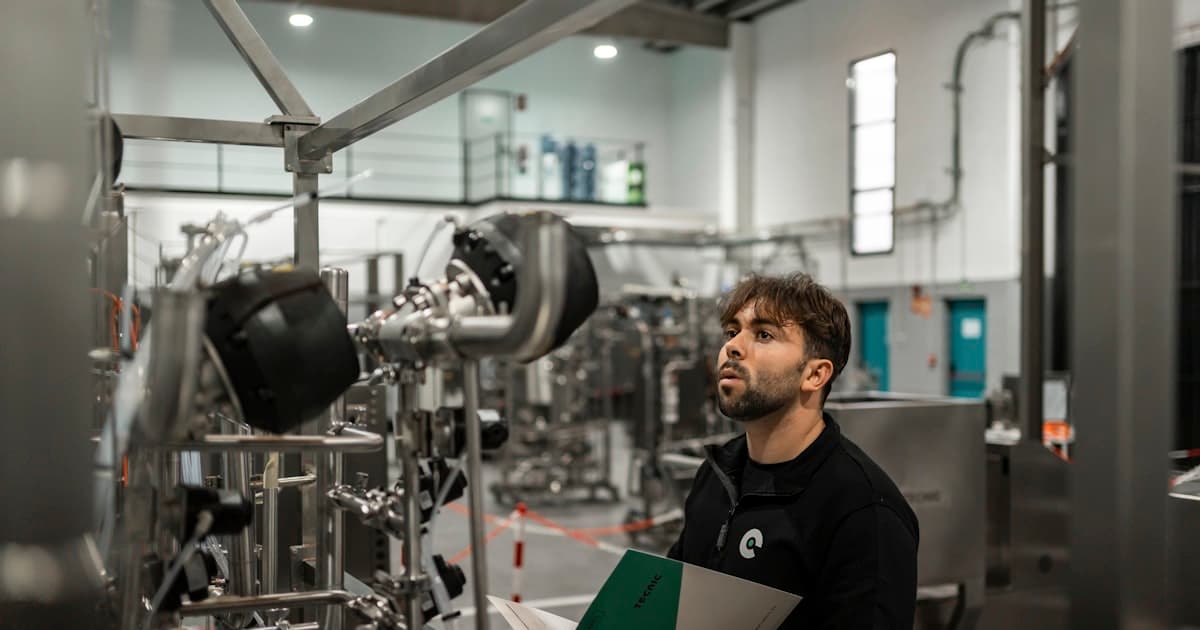
 Stapels papieren dossiers. Dataklaarheid gaat niet over hoeveelheid, maar over de vraag of hetzelfde woord overal hetzelfde betekent.
Vier soorten klaar
| Wat | De vraag | Als het niet klopt |
|---|---|---|
| Data | Betekent hetzelfde woord overal hetzelfde? | Het model produceert stellige onzin die niemand opmerkt |
| Mensen | Is er iemand die het werk kent en tijd heeft? | Het project ligt stil zodra de operatie voorgaat |
| Processen | Is er een proces dat vaak genoeg voorkomt om de moeite te lonen? | Je bouwt iets moois waar tien keer per jaar gebruik van wordt gemaakt |
| Besluitvorming | Mag iemand besluiten dat het zo gaat? | Alles is technisch af en er verandert niets |
De laatste rij is de belangrijkste en wordt in vrijwel geen enkele checklist genoemd.
Eén: data
De reflex is denken in hoeveelheid. Hebben we genoeg data. Dat is bijna nooit het probleem, want de meeste bedrijven van deze omvang hebben jaren aan orders, uren, offertes en meldingen liggen.
Het probleem is betekenis. In een bedrijf met enige historie betekent het woord klant iets anders in het ERP dan in het CRM. Verkoop telt een order bij ondertekening, finance bij levering. Geen van beide is fout, ze zijn voor verschillende doelen gedefinieerd, en niemand heeft ze ooit naast elkaar gelegd.
In het dagelijks werk merk je daar niets van, want mensen dragen die vertaling in hun hoofd. Zodra je een model op die data richt, is er geen hoofd meer om het in te dragen, en dan komt er een stellig getal uit dat twee definities middelt.
De toets: vraag drie mensen uit drie afdelingen wat een order is en wanneer hij telt. Krijg je drie antwoorden, dan is dat je eerste werk. Dat is overigens geen jarenlang traject: een semantische laag legt die betekenis bovenop je bestaande systemen vast zonder dat er iets gemigreerd hoeft te worden.
Twee: mensen
Elke toepassing die iets voorstelt heeft uren nodig van de mensen die het werk het beste kennen. Dat zijn per definitie je drukste mensen, en hun tijd staat in geen enkele begroting omdat niemand ze factureert.
Het gaat daarbij niet om technische kennis. Het gaat om de persoon die weet welke klant altijd een uitzondering krijgt, waarom die ene leverancier anders wordt afgehandeld, en welke regel in het handboek al drie jaar niet meer klopt. Die kennis staat nergens opgeschreven en is precies wat een toepassing bruikbaar maakt in plaats van demonstreerbaar.
De toets: kun je nu een naam noemen, plus een dag in de week waarop die persoon vier uur vrij is? Kun je dat niet, dan is dat je knellende factor, en geen enkele leverancier lost dat voor je op.
Drie: processen
Hier gaat het over de vraag of het rendeert, en dat is simpeler te berekenen dan mensen denken: uren handwerk per jaar, maal het integrale uurtarief, maal het deel dat je daadwerkelijk wegneemt.
Onze voorbeeldberekening op de site gaat uit van een proces van 1.200 uur handwerk per jaar en komt uit op ongeveer 68.000 euro besparing, met een terugverdientijd onder de drie maanden. Diezelfde som laat ook meteen zien waar het niet uit kan. Een proces van tweehonderd uur per jaar rendeert vrijwel nooit, hoe indrukwekkend de demo ook is.
Het doel is bovendien zelden mensen vervangen. Het is meer halen uit de mensen die je al hebt door het repetitieve werk van hun bord te nemen. Dat verandert de rekensom: je telt geen ontslagen, je telt capaciteit die vrijkomt voor werk dat wel omzet oplevert.
De toets: noem een proces waar meer dan vijfhonderd uur per jaar in gaat en waarvan de uitkomst te controleren is. Heb je er geen, dan is AI voor jou nu nog geen prioriteit, en dat is een volstrekt legitieme uitkomst.
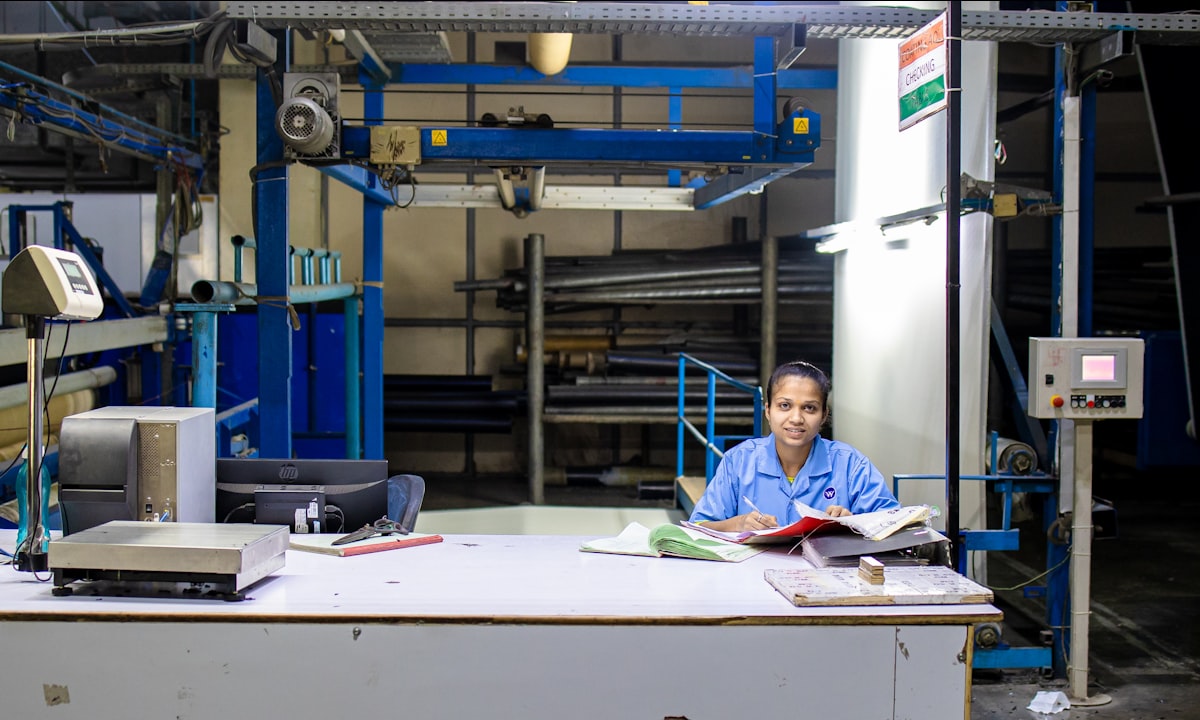 Iemand aan het werk in een productieomgeving. De mensen die de uitzonderingen kennen zijn precies de mensen die een project niet kan missen.
Vier: besluitvorming
Dit is de factor waar het in de praktijk het vaakst op stukloopt, en de enige die nooit in een checklist staat.
Stel dat het werkt. Het systeem stelt voor om die order anders in te plannen, die offerte anders te prijzen, die melding anders te routeren. Wie mag dan besluiten dat het voortaan zo gaat? En wat gebeurt er als het systeem er een keer naast zit?
Zonder een antwoord op die twee vragen krijg je het patroon dat we het vaakst zien: technisch werkt alles, iedereen is enthousiast, en er verandert niets. Het voorstel wordt elke keer voor de zekerheid door een mens overruled, en na drie maanden zet iemand het uit.
Het werkbare antwoord is meestal human on the loop: het systeem handelt en een mens met naam houdt toezicht en kan ingrijpen. Niet elke actie vooraf goedkeuren, want dan wordt die mens de flessenhals en stopt hij binnen twee weken met lezen.
De toets: noem de persoon die mag besluiten dat het voortaan zo gaat, en de persoon die het mag stoppen. Zijn dat er nul of vijf, dan heb je hier werk.
De volgorde waarin je ze aanpakt
De vier zijn niet gelijkwaardig, en dat scheelt maanden. Ze hebben een volgorde die volgt uit wat er misgaat als je hem omdraait.
Begin bij besluitvorming. Niet omdat het het leukste is, maar omdat het het goedkoopste is en alles erna bepaalt. Een gesprek van een uur waarin je vastlegt wie mag besluiten en wie mag stoppen, kost je niets en voorkomt het meest voorkomende einde van een AI-traject.
Dan processen. Zonder een proces met genoeg volume is de rest een academische oefening. Deze stap is een rekensom en geen onderzoek: je hebt de uren waarschijnlijk al ergens staan in een urenregistratie of een planningssysteem.
Dan mensen. Nu je weet welk proces het is, weet je ook wie het kent. Dat is meestal één of twee namen, en die namen zijn concreet genoeg om tijd voor vrij te maken.
Data als laatste. Dat voelt verkeerd, want data lijkt het fundament. Maar je hoeft je data niet in het algemeen op orde te hebben, je hoeft alleen de termen binnen dit ene proces eenduidig te krijgen. Dat is een fractie van het werk, en pas nadat de eerste drie stappen zijn gezet weet je welke fractie.
Wie in de omgekeerde volgorde begint, en dat doen de meeste bedrijven, start met een dataproject zonder einddatum en komt aan de andere drie nooit toe.
Drie signalen dat je beter kunt wachten
Niet elk bedrijf moet nu beginnen, en dat eerlijk vaststellen is meer waard dan een traject dat halverwege stilvalt.
Het eerste signaal is een reorganisatie of systeemmigratie die al loopt. Als het ERP volgend kwartaal wordt vervangen, verandert de betekenis van je data en verandert het proces. Alles wat je nu bouwt moet je dan opnieuw doen.
Het tweede is dat niemand in de directie de vraag kan beantwoorden waarom je hiermee begint. Kostenbesparing is een antwoord, groei zonder extra mensen is een antwoord, en concurrenten doen het ook is dat niet. Zonder eigen antwoord verdampt de prioriteit bij het eerste tegenvallende kwartaal.
Het derde is een eerdere poging die is doodgebloed en waarover nooit is gesproken. Als er in het bedrijf mensen rondlopen die denken dat dit weer zoiets wordt, is dat een reëel probleem dat je met techniek niet oplost. Benoem eerst wat er de vorige keer misging.
Waar je staat ten opzichte van de rest
Cijfers helpen om te bepalen of je achterloopt of gewoon voorzichtig bent.
| Wat | Cijfer | Bron |
|---|---|---|
| Bedrijven van 50 tot 250 mensen die AI gebruiken | 45 procent | CBS, 2025 |
| Bedrijven vanaf 250 mensen | 66 procent | CBS, 2025 |
| Aandeel van AI-gebruikers dat het inzet voor logistiek | 4 procent | CBS, 2025 |
| Handels- en logistieke bedrijven met interesse in AI | ongeveer 60 procent | Brthrs Agency en GreenPT, 2026 |
| Diezelfde bedrijven met een vastgestelde AI-strategie | 7 procent | Brthrs Agency en GreenPT, 2026 |
De onderste twee regels zijn de interessantste. Tussen willen en een plan hebben zit een gat van meer dan vijftig procentpunt. Dat betekent dat de concurrentie in jouw sector waarschijnlijk net zo hard zoekt als jij, en dat wie als eerste een concreet plan heeft een voorsprong pakt die niet over techniek gaat.
Dat AI-gebruikers het maar in 4 procent van de gevallen op logistiek toepassen is een tweede signaal. De aandacht gaat naar marketing en verkoop, waar het zichtbaar is. Het geld zit vaker in de saaie processen die niemand op LinkedIn zet.
Wat klaar niet betekent
Klaar betekent niet dat alles op orde is. Dat is bij geen enkel bedrijf zo, ook niet bij de bedrijven die er in interviews klaar uitzien.
Klaar betekent: er is één proces waarvan we weten dat het genoeg uren kost, de data eronder is te repareren zonder een systeem te vervangen, er is iemand die het werk kent en tijd krijgt, en er is iemand die mag besluiten dat het voortaan zo gaat.
Vier dingen. Meer niet. Wie wacht tot alle vier de dimensies over de hele organisatie kloppen, wacht voor altijd.
Het omgekeerde is trouwens ook waar en wordt minder vaak gezegd. Een bedrijf dat op alle vier de dimensies uitstekend scoort maar geen enkel proces heeft waar genoeg uren in gaan, is niet klaar voor AI. Dat is klaar voor iets anders.
De toets in vijf vragen
Loop ze langs, eerlijk, in tien minuten.
- Wat is een order, en geven drie afdelingen hetzelfde antwoord?
- Welk proces kost meer dan vijfhonderd uur per jaar?
- Wie kent de uitzonderingen in dat proces, en heeft die persoon tijd?
- Wie mag besluiten dat het voortaan anders gaat?
- Waaraan zien we over zes maanden dat het heeft gewerkt?
Ze zijn bewust in deze volgorde gezet. Vraag één en twee kun je zelf nakijken, vraag drie en vier vragen een gesprek, en vraag vijf dwingt je om nu al te bedenken hoe het gesprek er over een half jaar uitziet.
Kun je er drie of meer beantwoorden, dan kun je beginnen. Kun je er één beantwoorden, dan weet je nu ook meteen waar je moet beginnen, en dat is meer waard dan een algemeen advies om vooral aan de slag te gaan.
Waar je begint
Als je hier snel doorheen wil: de AI-Foto is een gratis zelfscan van twaalf vragen die tien minuten kost en langs precies deze dimensies loopt. Geen verplichting, wel een eerlijk beeld van waar je staat.
Wil je daarna een onderbouwd plan, dan levert de AI Readiness Scan in tien werkdagen de kansen gerangschikt op, doorgerekend op je eigen cijfers, met een roadmap die je meeneemt de boardroom in.
Veelgestelde vragen
Bronnen
- CBS: bedrijven gebruiken AI het vaakst voor marketing of verkoop, met cijfers per bedrijfsgrootte en bedrijfsfunctie— cbs.nl ↗
- CBS: bedrijven die AI gebruiken zijn vaak groter— cbs.nl ↗
- evofenedex: ondernemers in handel en logistiek lopen achter met AI-adoptie, 60 procent interesse tegenover 7 procent met strategie— evofenedex.nl ↗
- Radical AI: de AI Readiness Scan, wat je krijgt en wat het kost— radicalai.nl ↗
- Radical AI: de AI-Foto, gratis zelfscan van twaalf vragen— radicalai.nl ↗
Vertel ons wat je nodig hebt.
Je krijgt binnen 24 uur antwoord van een echt mens.
Neem contact op