
Community-gedreven recruitment: waarom de beste AI-engineers niet solliciteren
Senior AI-engineers zoeken niet op jobboards. Ze shippen, dragen bij, mentoren en leren in communities. Daarom werkt aannemen via reputatie beter dan via advertenties.
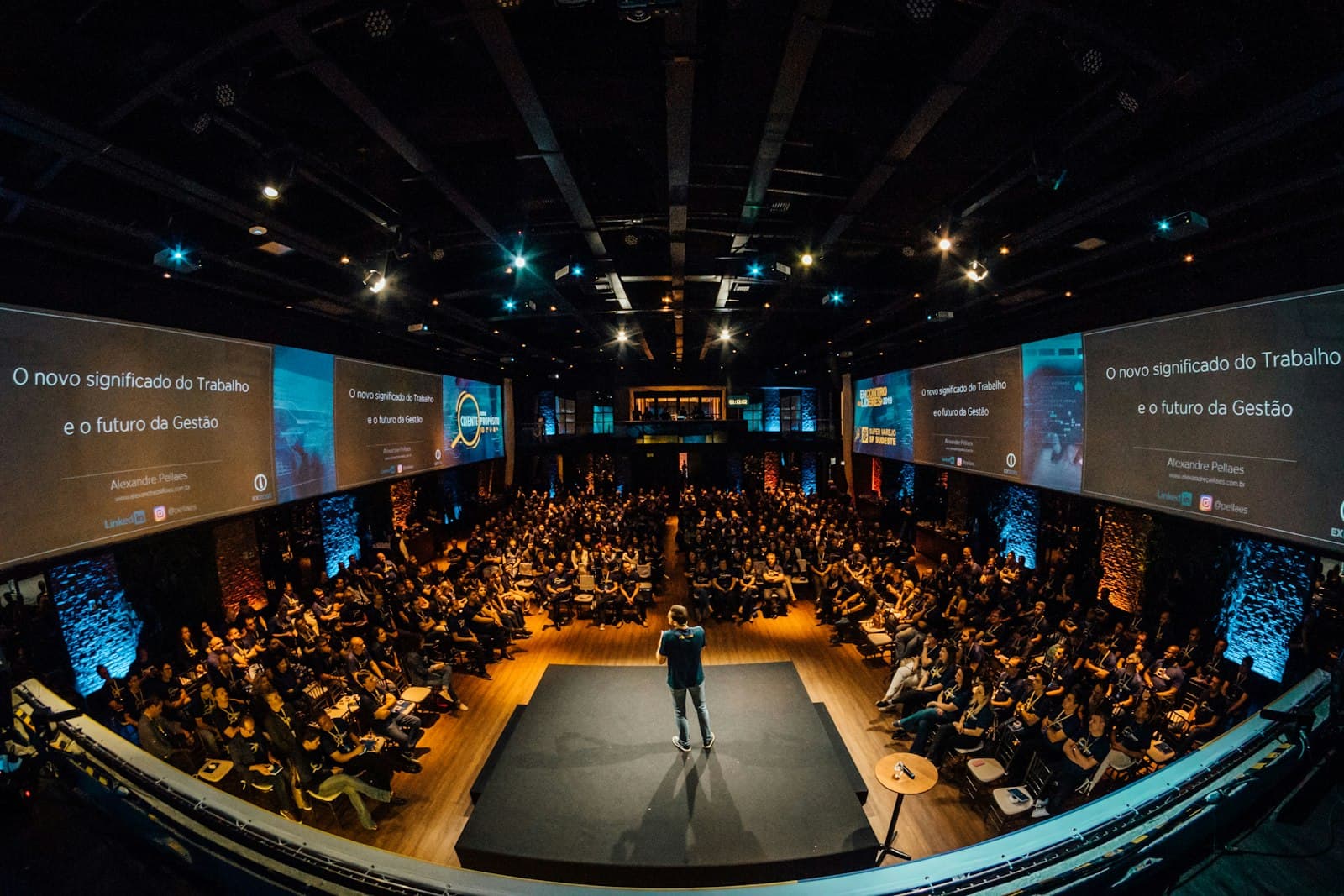
De beste AI-engineers zoeken niet op jobboards. Ze zitten met hun hoofd in productie. Ze reviewen een pull request voor een vriend in Berlijn. Ze zitten om middernacht in een Discord-draadje te discussiëren over eval-suites. Ze geven donderdagavond een lightning talk op een Nederlandse meetup. Ze mentoren een junior die negen maanden geleden in het vak is gestapt. Ze doen dit allemaal terwijl hun inbox vol loopt met geknipte-en-geplakte recruitersberichten die ze nooit zullen openen.
Als je die engineers wilt aannemen, kun je niet wachten tot ze naar jou komen. Je moet naar de plek waar zij al zijn. Dat is wat community-gedreven recruitment in 2026 betekent. Het is geen buzzword. Het is het enige model dat werkt voor het deel van de AI-talentmarkt dat er echt toe doet.
Ik run de community bij Radical. Mijn werk, elke dag, is de plekken bouwen waar AI-natives groeien, leren en hun mensen vinden. Hieronder staat hoe ik erover denk, waarom ik geloof dat het jobboard-tijdperk voorbij is voor senior AI-talent, en hoe een community de economie van aannemen verandert aan beide kanten van de tafel.
De data: senior AI-talent is by default passief
Begin bij het aandeel van de markt dat daadwerkelijk beweegt. Volgens de Stack Overflow Developer Survey 2024 werkt 84 procent van de respondenten in een of andere vorm, met 80,7 procent van de professionele developers fulltime aan het werk. Slechts ongeveer 6 procent van alle respondenten geeft aan werkloos te zijn en te zoeken. Ongeveer 1,8 procent is werkloos en zoekt niet. De meeste mensen die je wilt aannemen, zitten nu in een baan.
Dat betekent niet dat ze onbereikbaar zijn. Het betekent dat ze niet op een jobboard zitten. Dezelfde survey, in eerdere golven en aangrenzende rapporten, laat consistent zien dat de meerderheid van developers openstaat voor een nieuwe rol als de juiste langskomt, ook als ze niet actief zoeken. De vertaling is simpel: senior AI-engineers zijn by default passief. Ze draaien geen queries op Indeed tijdens de lunch. Ze refreshen LinkedIn-jobs niet in het weekend. Ze werken, en ze leren.
Leg daar de structurele context overheen. GitHub Octoverse 2024 meldt bijna 137.000 publieke generative-AI-projecten op GitHub, met 98 procent jaar-op-jaar-groei, en bijna een miljard bijdragen aan open source en publieke repositories. De pool van senior AI-engineers die het waard zijn om aan te nemen, is voor een groot deel de pool die actief aan dat werk bijdraagt. Ze adverteren zichzelf niet. Ze laten overal bewijs achter waar ze zitten.
Het Europese plaatje maakt dit scherper. Het McKinsey-rapport over de toekomst van werk uit 2024 zet ongeveer 40 procent van de Europese executives op tekorten in geavanceerde IT-vaardigheden, programmeren, geavanceerde data-analyse en wiskundige skills. De vraag naar AI-talent is tijdens de gen-AI-golf gestegen, niet gedaald. Het aanbod is bepaald door hoeveel mensen je daadwerkelijk kunt vinden, vetten en overtuigen. De mensen die dit werk aankunnen, hebben opties. Zij zijn niet degenen die op dinsdag om 10:42 een gesponsorde InMail beantwoorden.
De vraag is dus niet hoe je een betere vacature schrijft. De vraag is hoe je in de ruimtes komt waar het werk daadwerkelijk gebeurt.
 Een groep AI-professionals rond een houten tafel op een community-meetup, lerend van peers
Waarom jobboards het verkeerde instrument zijn voor senior AI-talent
Jobboards werken voor een specifieke vorm van aanname. De rol is goed gedefinieerd, de kandidaatpool is groot, de verschillen tussen kandidaten zijn grotendeels leesbaar uit een CV, en de kosten van een misser zijn begrensd. Geen van die voorwaarden geldt voor senior AI-werk.
De rol is zelden goed gedefinieerd. Een echte AI-engineeringrol bij een serieus bedrijf verandert elk kwartaal van vorm. Het team dat in januari een MLOps-lead wilde, neemt in juni een small-models-specialist aan. Een vacature die zes weken geleden is geschreven, is al oud tegen de tijd dat de eerste sollicitant op apply klikt.
De pool is niet groot. Zodra je filtert op productie-AI-ervaring, oordeel over safety en evaluatie, gemak in de volledige stack van model, data en product, plus het vermogen om een gesprek te voeren met zowel een CTO als een CMO, zit je in een kleine markt. De mensen in die markt kennen elkaar.
Een CV helpt nauwelijks. Het belangrijkste deel van senior AI-werk is het deel dat niet op een CV past: hoe iemand nadenkt over een modelrelease, hoe iemand omgaat met druk van een stakeholder om sneller te shippen, hoe iemand een lastig gesprek voert met een junior wiens werk herschreven moet worden. Niets daarvan staat in een bullet onder een functietitel.
De kosten van een misser zijn enorm. Een verkeerde senior AI-hire kan een product een jaar lang de verkeerde kant op sturen. Een verkeerde leiderschapskeuze kan de cultuur van een heel team vormen. Snelheid en volume zijn de verkeerde succesmetrieken. Selectie is de succesmetric.
Hier is de ruwe vergelijking van hoe een senior AI-hire door beide modellen beweegt.
| Fase | Jobboard-funnel | Community-gedreven funnel |
|---|---|---|
| Ontdekking | Kandidaat ziet een advertentie | Kandidaat zit al binnen de community, leert, draagt bij |
| Eerste signaal | Keyword-match op CV | Peer-reputatie, geobserveerd werk, mentor-vouch, APAC-profiel |
| Screening | Recruiter scant 200 CVs | Community-lead kent de kandidaat al |
| Interviews | 5 tot 7 rondes om dun signaal te compenseren | 2 tot 3 rondes omdat het signaal dik is |
| Offer-acceptatie | Vaak munt opgooien, counter-offers gangbaar | Hoog, omdat de kandidaat de community vertrouwde voor de rol |
| Retentie 12 maanden | Industrie-baseline | Hoger, omdat cultuur- en oordeelsfit het toegangscriterium was |
| Tijd hiring manager | Hoog, vooral triage | Lager, gericht op de finale call |
| Tijd kandidaat | Hoog, vooral afwijzing | Laag, gericht op de ene match die past |
Zodra je de tabel ziet, wordt de vraag voor de hand liggend. Waarom zou je voor talent dat te schaars is om aan triage te verspillen, de eerste kolom willen draaien? Het antwoord is dat de meeste recruiters geen community hebben. Ze hebben een database. Het enige werktuig dat ze bezitten, is de broadcast.
Wat "community-gedreven" in de praktijk betekent
Community-gedreven recruitment is geen marketinglabel dat je op dezelfde oude funnel plakt. Het is een ander operationeel model. Bij Radical komt het in vijf concrete vormen terug, en ze gebeuren allemaal continu, niet in campagnes.
Echte events, geen webinars. We brengen AI-professionals fysiek bij elkaar, in kleine ruimtes, waar ze daadwerkelijk kunnen praten. De eerste vraag op een Radical-event is nooit "wat doe je?". Het is eerder "waar zit je deze week op vast?". Dat is het verschil tussen een netwerkborrel en een community. De eerste is om kaartjes uit te delen. De tweede is om hulp uit te delen.
Peer-to-peer learning. Binnen de community leren Radicals elkaar dingen. Een senior MLOps-engineer geeft een lunchsessie over observability voor kleine teams. Een research engineer neemt vier anderen mee door een fine-tuning-failure en wat ze ervan leerden. Het lesgeven is het curriculum. Wij kopen geen kant-en-klare cursussen in, want de mensen in de zaal weten al meer dan welke vendor dan ook.
Mentorkringen. Elke Radical wordt gekoppeld in een mentorrelatie binnen het netwerk. Soms is de mentor senior. Soms zit de mentor in een aangrenzend specialisme. Het punt is dat iemand de vraag stelt: wat wil je over achttien maanden aan het doen zijn, en wat moet je tussen nu en dan leren?
De gratis APAC-assessment. Kandidaten doen APAC op radicalnetwork.nl. Het is voor altijd gratis. De uitkomst is een profiel van wie ze zijn over vier dimensies: Adaptability, Personality, Awareness, Connection. Dat profiel reist mee bij elke rol die we ze voorleggen. Het is de ruggengraat van hoe de community over haar eigen leden praat. Het is ook waarom we een shortlist kunnen verdedigen als een klant vraagt waarom iemand erop staat.
Het referral-programma. Elke Radical kan een andere kandidaat de community in verwijzen. We letten op wie wie verwijst, want het signaal is echt: een senior engineer die een junior verwijst, zet zijn eigen reputatie op het spel. We luisteren harder naar die referrals dan naar bijna elk ander inbound-kanaal. Verwijzers krijgen ook koffie, echte koffie, met het team dat hun referral plaatste. We behandelen het netwerk als een netwerk, niet als een kortingscode.
Dit is wat "community vóór placement" in operatie betekent. De community is de plek waar selectie gebeurt, waar coaching gebeurt, waar peers voor peers instaan. Placements zijn een gevolg daarvan, niet de motor die het aandrijft.
Het compounding-effect: een geplaatste Radical verwijst nieuwe Radicals
Een traditionele recruitmentdesk draait lineaire rekensommen. Eén placement is één fee, de desk reset, de recruiter start de volgende search vanaf nul. De desk is alleen zo productief als de search van die dag.
Een community draait compounding-rekensommen. Elke Radical die we plaatsen wordt een knooppunt in het netwerk. Ze mentoren de volgende junior. Ze verwijzen de volgende senior. Ze stellen ons voor aan een hiring manager die ooit hun collega was. Ze spreken op een meetup die wij organiseren en trekken nog twee AI-engineers de zaal in. Ze vertellen hun oude team dat het bureau dat hen plaatste, eerlijk was.
Dat laatste is de meest onderschatte input in recruitment. AI is een kleine wereld. Senior engineers praten met andere senior engineers over wie hun tijd waard is. De reputatie van een recruiter in die wereld is hun duurste bezit, en die is niet te kopen met een marketingbudget. Hij is alleen te verdienen, één eerlijk gesprek per keer, over jaren.
De rekensom wordt interessant als je een jaar werk in de twee modellen vergelijkt.
| Model | Jaar 1 placements | Jaar 2 placements | Jaar 3 placements | Bron van groei |
|---|---|---|---|---|
| Traditionele desk | N | N | N | Elke keer nieuwe search, output vlak |
| Community-gedreven | N | N + referrals + community-sourced | N + compounding referrals + brand pull | Netwerk groeit zichzelf, minder moeite per placement |
Dit is geen hypothese. Het is het model dat high-trust executive search al decennia gebruikt. Wat nieuw is, is dat AI eindelijk het soort vakgebied is waarin de community specifiek genoeg kan zijn om dit te dragen. Twintig jaar geleden was "tech recruitment" te breed om te compounden. "AI-engineering in Europa in 2026" is smal genoeg om een community te zijn, en belangrijk genoeg om er een te verdienen.
Relatie-signaal versus keyword-signaal
De reden dat community-aanname betere matches oplevert, is geen magie. Het is signaalkwaliteit. Jobboards draaien op keyword-signaal. De kandidaat schrijft woorden die matchen met de woorden in de advertentie, het algoritme rankt ze, de recruiter scant de top tien. Het signaal is dun omdat woorden goedkoop zijn. Iedereen kan "productie-LLM-ervaring" op een CV zetten. Bijna niemand kan dat onder druk verdedigen in een gesprek van veertig minuten.
Community-aanname draait op relatie-signaal. Een senior engineer zegt tegen een community-lead: "deze persoon snapt eval-design echt, ik heb hun werk gezien, je moet hen spreken." Dat signaal draagt informatie die geen keyword-match kan dragen. Het draagt de reputatie van de senior engineer. Het draagt de impliciete belofte dat als de match misgaat, de senior engineer de kosten voelt. Het draagt context over cultuurfit die in de relatie zit, niet in het CV.
Industriële samenvattingen zetten referral-kandidaten op ongeveer zeven keer meer kans om aangenomen te worden dan jobboard-kandidaten, en staffing-hub-data wijst over de hele linie op hogere retentie en snellere hiring-pipelines voor referrals. Sommige bronnen zetten referral-retentie rond 46 procent tegenover 33 procent voor jobboard-hires. Het exacte getal verschilt per sector en methode, maar het patroon is consistent: relatie-signaal slaat keyword-signaal bijna overal waar we gemeten hebben.
Voor senior AI-talent, waar de kosten van een verkeerde call het hoogst zijn en de kandidaatpool het kleinst, is dat verschil het verschil tussen een team dat in productie shipt en een team dat over shippen praat. Wij hopen niet dat de keyword-match toevallig goed uitpakt. Wij staan achter een naam omdat een echt persoon een echt verhaal over die naam aan een ander echt persoon heeft verteld.
Dat is ook waarom we bij elke stap een mens op de loop houden. AI in de matching-laag is prima. AI als finale beslisser op een senior hire is fout, einde discussie. De EU AI Act classificeert AI in werkgelegenheid als hoog-risico om een reden. Verantwoorde AI in hiring betekent dat het relatie-signaal menselijk blijft, de call menselijk blijft, de verantwoordelijkheid menselijk blijft. Community-gedreven recruitment is de meest natuurlijke vorm van dat principe.
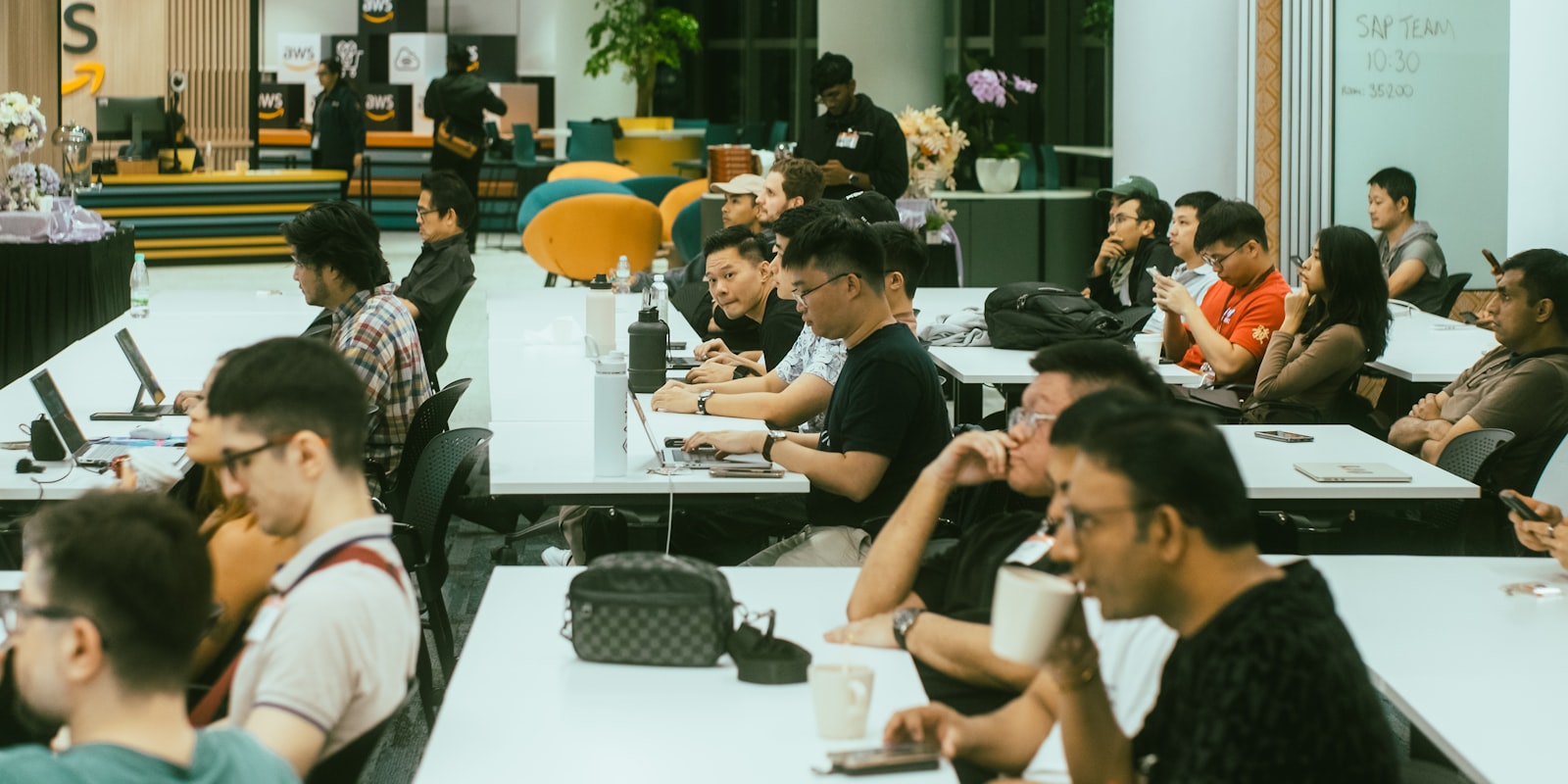 Twee AI-professionals achter laptops in een peer-learning-sessie binnen een community-ruimte
Wat de kandidaat krijgt: niet meer onderbroken worden, eindelijk gezien worden
Praat met een senior AI-engineer over recruiters en je hoort een versie van hetzelfde verhaal. De InMails zijn geknipt-en-geplakt. De recruiter heeft de GitHub niet gelezen. De recruiter pitcht een rol bij een bedrijf waar de engineer in geen duizend jaar zou werken. De recruiter noemt een stack die al drie jaar niet in de repo van de engineer staat. De engineer archiveert het bericht en gaat terug naar een pull request.
Dit is geen recruiterprobleem. Het is een modelprobleem. De jobboard-funnel dwingt de recruiter tot sprayen, want de enige manier om iemand passiefs te vinden, is genoeg mensen lastigvallen tot er één opkijkt. Het resultaat is een ruisvloer zo hoog dat zelfs relevante outreach erin verdwijnt.
Een community draait de rekensom om. De kandidaat doet één keer mee, doet één keer APAC, heeft één echt gesprek met een mens, en krijgt vanaf die dag het tegenovergestelde van spam. Ze krijgen curated introductions van een recruiter die hun profiel echt heeft gelezen, die weet wat ze hierna willen, en die alleen contact opneemt als er een echte match is.
Het verschil is niet subtiel. Zo ziet het er aan kandidaatkant uit.
| Touchpoint | Jobboard-wereld | Community-gedreven wereld |
|---|---|---|
| Eerste contact | Koude InMail, geknipt-en-geplakt | Aanmelding gelezen door een echt mens |
| Eerste gesprek | Screeningcall met recruiter die de GitHub niet gelezen heeft | Intakegesprek over wie je bent en wat je wilt |
| Assessment | Vage cultuurfit-chat of een generieke test | Gratis APAC-assessment, tien tot twintig minuten |
| Tussen rollen | Stilte tot de volgende koude InMail | Doorlopende coaching, mentor, events, peer learning |
| Rol-introducties | Generieke listings | Curated, alleen als de rol echt past |
| Quality control | Geen | Kwartaalcheck-ins, founder leest de aanmelding |
| Kosten voor kandidaat | Tijd en waardigheid | Nul, voor altijd |
Een community is een manier om kandidaten te behandelen als mensen die je een decennium wilt kennen, niet als leads die je dit kwartaal wilt sluiten. Die houding is ook de enige houding die je een echt antwoord oplevert op "wat wil je hierna eigenlijk?". Zonder dat antwoord is geen enkele match ooit geweldig. Met dat antwoord wordt de juiste match vanzelfsprekend.
Wat het bedrijf krijgt: reputatie-aanname, geen CV-aanname
Voor bedrijven verandert community-gedreven recruitment de werkeenheid. Een hiring manager bij een serieus AI-bedrijf heeft geen tekort aan CVs. Ze hebben een tekort aan tijd, aan signaal, en aan vertrouwen dat de volgende hire de juiste is. De traditionele reactie is meer CVs op het probleem gooien, wat de tijd- en signaalproblemen alleen maar verergert.
Community-gedreven recruitment draait die zet om. Wij sturen geen extra CVs. Wij sturen er minder, en we staan achter elke. Het intakegesprek met het bedrijf is geen vacature-upload. Het is een echt gesprek over hoe het team werkt, wat het tolereert, wat het niet tolereert, waar de oprichters echt over discussiëren, hoe een senior persoon na twaalf maanden in het team eruitziet. Pas na dat gesprek openen we de community en kijken we wie er echt past.
Het resultaat is reputatie-aanname. De kandidaat is geen CV dat een screening overleefde. De kandidaat is een persoon die door iemand in de community is voorgedragen, die APAC heeft gehaald, die binnen de community is gecoacht en geobserveerd, die een relatie heeft met een recruiter die bereid is hun naam aan de introductie te verbinden.
Die houding overtreft ook op het getal waar hiring managers daadwerkelijk om geven. Open-source-gedreven sourcingstudies vatten samen dat bijdragen aan open source de interviewkans met ongeveer 78 procent verhoogt, en dat het aannemen van actieve contributors gepaard gaat met materieel hogere retentie. Over de hele linie is de boodschap hetzelfde: als het ingangssignaal relatie en geobserveerd werk is in plaats van CV, worden de back-end-metrieken beter.
Voor Europese bedrijven is er nog een reden waarom dit ertoe doet. De EU AI Act zet hiring-AI in de hoog-risico-categorie. De bedrijven die het meest blootgesteld zijn aan die regulering, zijn dezelfde bedrijven die het meest snakken naar senior AI-hires. Aanname bouwen op ondoorzichtige algoritmische broadcast is een slechte gok onder het nieuwe regime. Aanname bouwen op een community waarin elke match komt met een naam, een gezicht en een verantwoordelijke mens, is de toekomstbestendige gok.
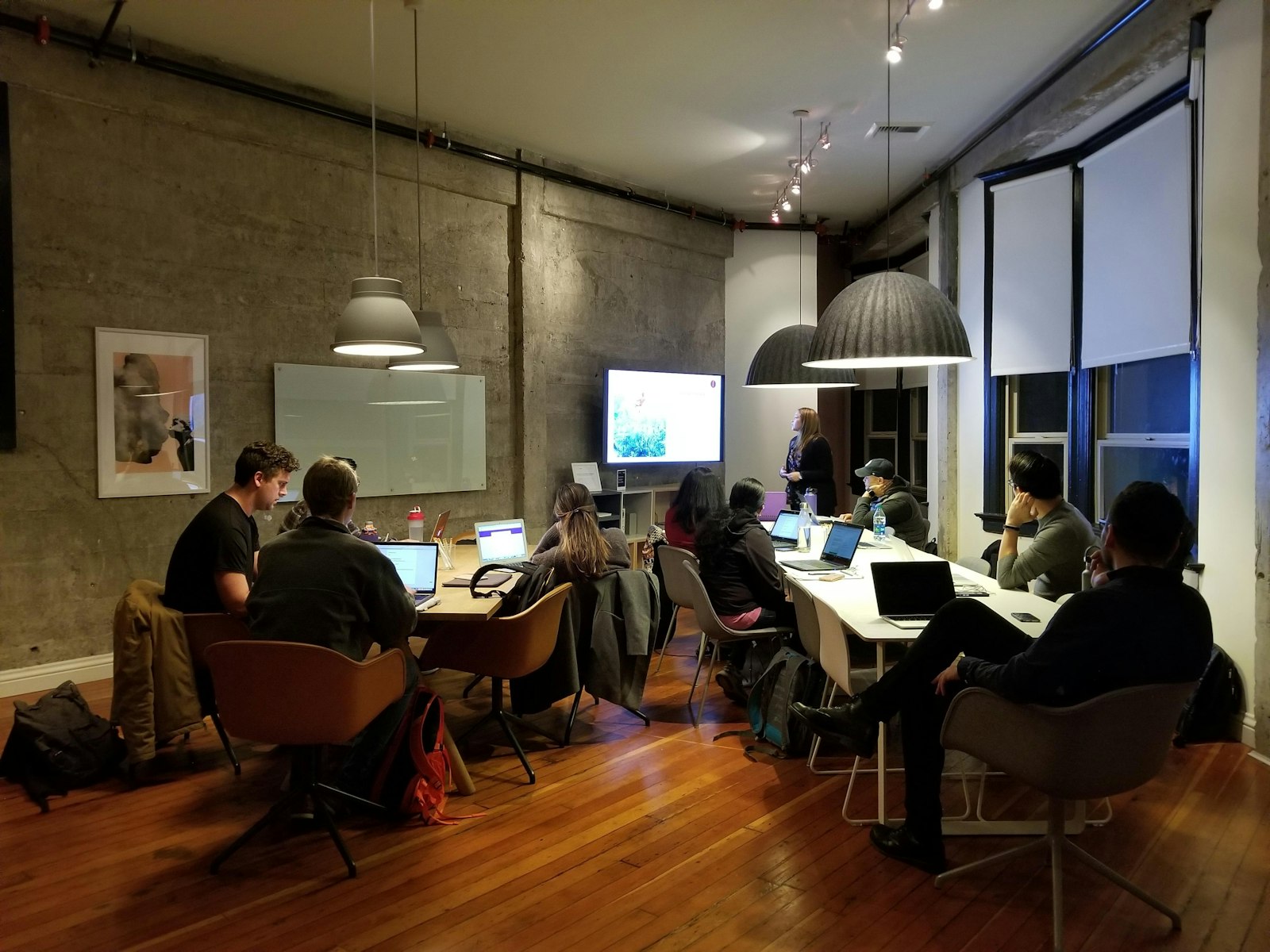 Handen op een toetsenbord tijdens een community-workshop, de open-source-bijdrage-loop in actie
Wat wij niet zullen doen, en waarom dat ertoe doet
We doen geen LinkedIn-sprays. We kopen geen databaselijsten. We auto-messagen niet. We runnen geen CV-fabriek achter een community-laagje vernis. We beloven geen snelheid ten koste van selectie.
Dat hardop zeggen is belangrijk, want community-gedreven recruitment is een term die geleend zal worden door elk bureau dat een zachter gezicht op dezelfde broadcastmachine wil plakken. De test is operationeel, niet retorisch. Kijk hoe de recruiters van een bureau hun week daadwerkelijk besteden. Als ze de tijd doorbrengen met queries draaien tegen een database en geknipte outreach pompen, hebben ze geen community. Ze hebben een database met een vriendelijke hostname.
Onze test is simpel. Kan de recruiter een zaal met vijftig Radicals inlopen en de helft bij naam noemen, weten waar ze mee bezig zijn, en zich het laatste herinneren waar de Radical op vastliep? Zo ja, dit is een community. Zo niet, het is een database.
De andere test is wederkerigheid. Een echte community let op beide kanten van de tafel. Wij vetten bedrijven voor kandidaten met dezelfde zorg waarmee we kandidaten voor bedrijven vetten. We zeggen een placement af die goed betaalt als het bedrijf verkeerd is voor de Radical. We zeggen een Radical af die hoog scoorde op APAC als het karakter niet bleek te kloppen met het rapport. Wederkerigheid is de toegangsprijs voor een community die compoundt. Zonder die wederkerigheid verzakt de community binnen een jaar tot een CV-pipeline.
Wat dit betekent voor het komende decennium van AI-hiring in Europa
Ik denk dat de komende tien jaar van senior AI-aanname in Europa er meer uitzien als klassieke executive search dan als de tech-recruitment van de jaren tien. Kleine netwerken. Reputatie als primair signaal. Een mens op de loop bij elke belangrijke call. Europese hosting en EU AI Act-compliance als ondergrens. Community vóór placement. Coaching als first-class activiteit, niet als bijkomstigheid.
Dat model is trager op het niveau van elke afzonderlijke search. Het is veel sneller over een jaar gezien, omdat het netwerk het werk doet. Het is eerlijker, omdat de recruiter zich niet achter volume kan verschuilen. Het is Europeser, omdat het op relaties en oordeel is gebouwd in plaats van op broadcast en schaal. Het is beter verenigbaar met verantwoorde AI, omdat de mens in de loop zit by design en niet als compliance-bijgedachte.
Het is ook leuker, wat ik hardop zeg ook al staat het niet op de meeste bureausites. Een community bouwen van AI-professionals die elkaar daadwerkelijk mogen, die van elkaar leren, die je de waarheid zeggen als een rol verkeerd is, die hun vrienden verwijzen omdat hun vrienden dezelfde behandeling verdienen die zij kregen: dit is het werk dat de rest van het werk de moeite waard maakt.
Ben je een senior AI-engineer en lees je dit: de uitnodiging staat open. Doe de APAC-test op radicalnetwork.nl. Hij is gratis, hij duurt twintig minuten, en hij eindigt in een gesprek met een mens, niet met een chatbot. Je krijgt een mentor, peers, events en toegang tot rollen die je nergens anders ziet.
Ben je een bedrijf en lees je dit: de uitnodiging is hetzelfde. Praat met ons over een echte intake. Geen vacature. Een gesprek over je team, je inzet en de persoon die je echt nodig hebt. Wij sturen je geen CV door totdat we vinden dat hij op je bureau hoort te liggen.
Geen database. Een woonkamer. Dat is wat wij bouwen, en dat is waarom de beste AI-engineers niet hoeven te solliciteren. Ze zijn al binnen.
Veelgestelde vragen
Bronnen
- Stack Overflow 2024 Developer Survey: Work and Employment— survey.stackoverflow.co ↗
- GitHub Octoverse 2024: 137,000 public generative AI projects, 1 billion contributions— github.blog ↗
- McKinsey, A new future of work: AI skills gap in Europe (May 2024)— mckinsey.com ↗
- Pinpoint: referrals are 7x more likely to be hired than job-board candidates— pinpointhq.com ↗
- Staffing Hub: referral recruiting versus job boards, 2026 data— staffinghub.com ↗
- EU AI Act, Annex III: AI used for recruitment and worker management is classified as high-risk— artificialintelligenceact.eu ↗
Vertel ons wat je nodig hebt.
Je krijgt binnen 24 uur antwoord van een echt mens.
Neem contact op